6 Things to Consider Before Lifting Your EV Truck
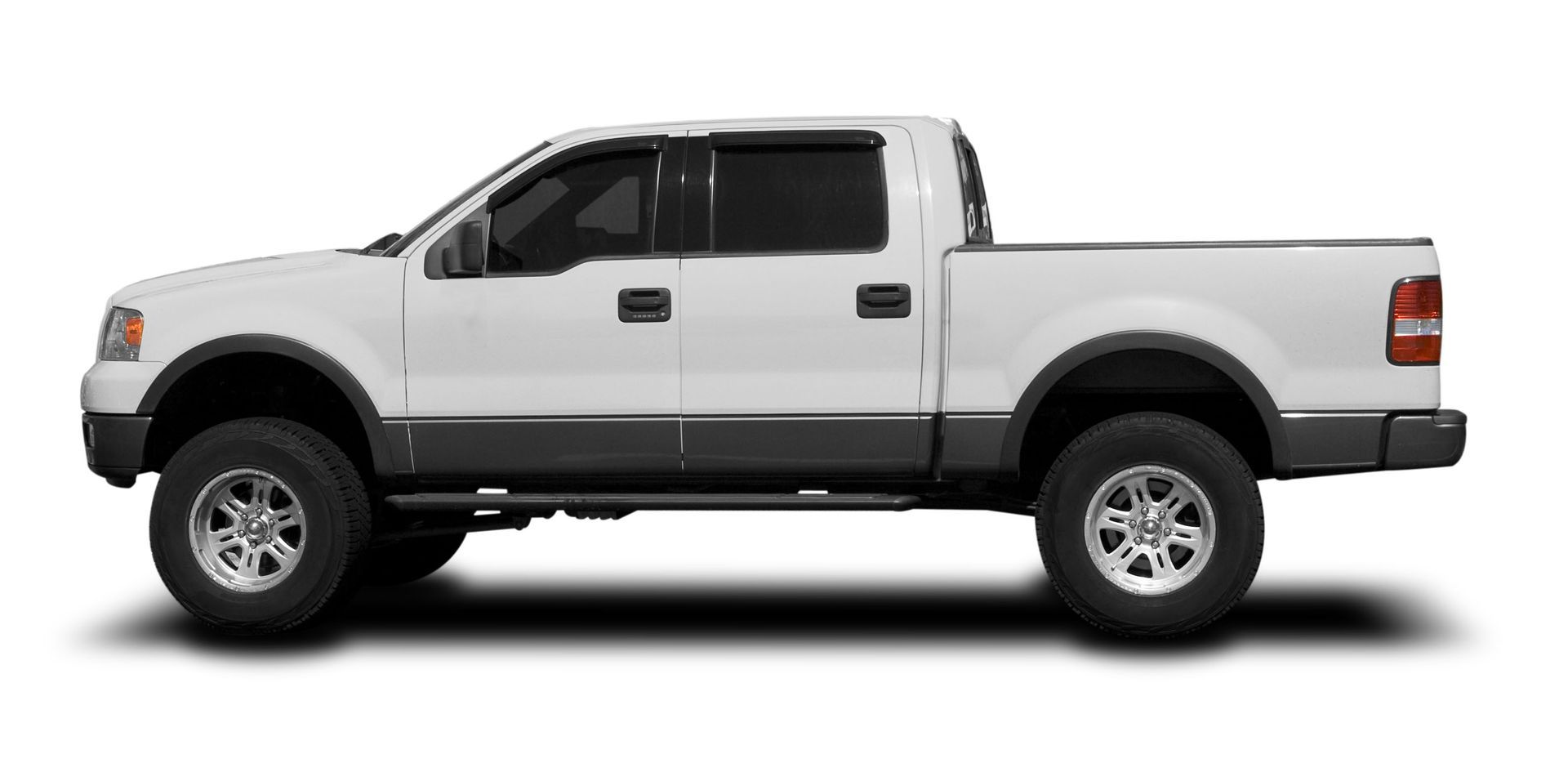
Lifting an electric pickup represents an exciting way to boost off-road ground clearance, fit larger tires, and create an aggressive road stance. However, modifying a modern battery-powered platform involves unique engineering considerations that traditional internal combustion engines never face. Heavy battery packs, instant torque delivery, and intricate high-voltage routing mean drivers must make informed decisions before altering their vehicle height.
Choosing the wrong components or installation methods can compromise handling, decrease total travel range, and potentially void critical manufacturer protections. By addressing crucial technical aspects early, drivers can ensure their upgraded rig maintains both utility and safety on everyday commutes and rugged trails alike. Asking the right questions prior to purchase helps every owner achieve the ideal balance between elevated style and daily dependability.
Navigating the aftermarket landscape can feel overwhelming given the sheer variety of products and opinions available today. Focusing on core mechanical and electrical realities helps cut through the noise and highlights what truly matters for electric platforms. The following key questions provide a clear roadmap for evaluating options and selecting hardware that enhances performance without sacrificing peace of mind.
1. Assessing Suspension Compatibility for Heavy Battery Weight
Electric powertrains add substantial mass to the chassis, primarily due to dense battery structures mounted beneath the cabin floor. Installing standard aftermarket truck lifts kits without considering this elevated kerb weight can cause excessive sagging, premature component wear, or unpredictable spring rates. Owners must verify that spring rates and damping characteristics are engineered specifically to support electric architectures.
Heavy-duty shocks, reinforced control arms, and upgraded sway bars often become necessary supporting upgrades alongside basic elevation hardware. Highlighting these structural demands ensures the vehicle retains appropriate posture during full payload capacity, heavy trailering, or technical trail driving. Asking suppliers about weight ratings prevents dangerous handling dynamics and premature failure of critical suspension links down the road.
Improperly rated springs can settle rapidly under continuous load, leading to reduced suspension travel and frequent bottoming out over bumps. This constant compression places additional stress on shock absorbers and mounting points, potentially causing premature seal failure or structural cracking. Selecting components engineered for heavier vehicle classes ensures long-term durability and maintains predictable handling characteristics across diverse driving environments.
2. Evaluating High-Voltage Wiring and Sensor Clearance
Raising a chassis alters the relative distance between frame-mounted components and axle assemblies. Because electric pickups feature extensive high-voltage cabling along with sophisticated wheel speed and height sensors, improper modification can stretch or pinch sensitive lines. High-quality truck lifts kits include specialized bracketry or wire extensions designed to safeguard delicate electrical pathways from mechanical stress.
Beyond physical cables, automated driver assistance systems rely on precise sensor orientation to function correctly. Modifying ride height changes the alignment of forward-facing cameras, radar arrays, and collision avoidance systems, requiring thorough recalibration after hardware installation. Confirming that all lines remain stress-free prevents costly electrical faults and maintains onboard safety features during everyday operation.
High-voltage lines operate under immense electrical potential and require strict physical protection from chafing, sharp metal edges, and extreme suspension articulation. A stretched harness can pull against sealed connectors, compromising weatherproofing and allowing moisture ingress that triggers system faults. Insisting on vehicle-specific extension brackets maintains proper cable slack and keeps protective shielding intact throughout full suspension travel.
3. Understanding Thermal System and Drive Unit Angles
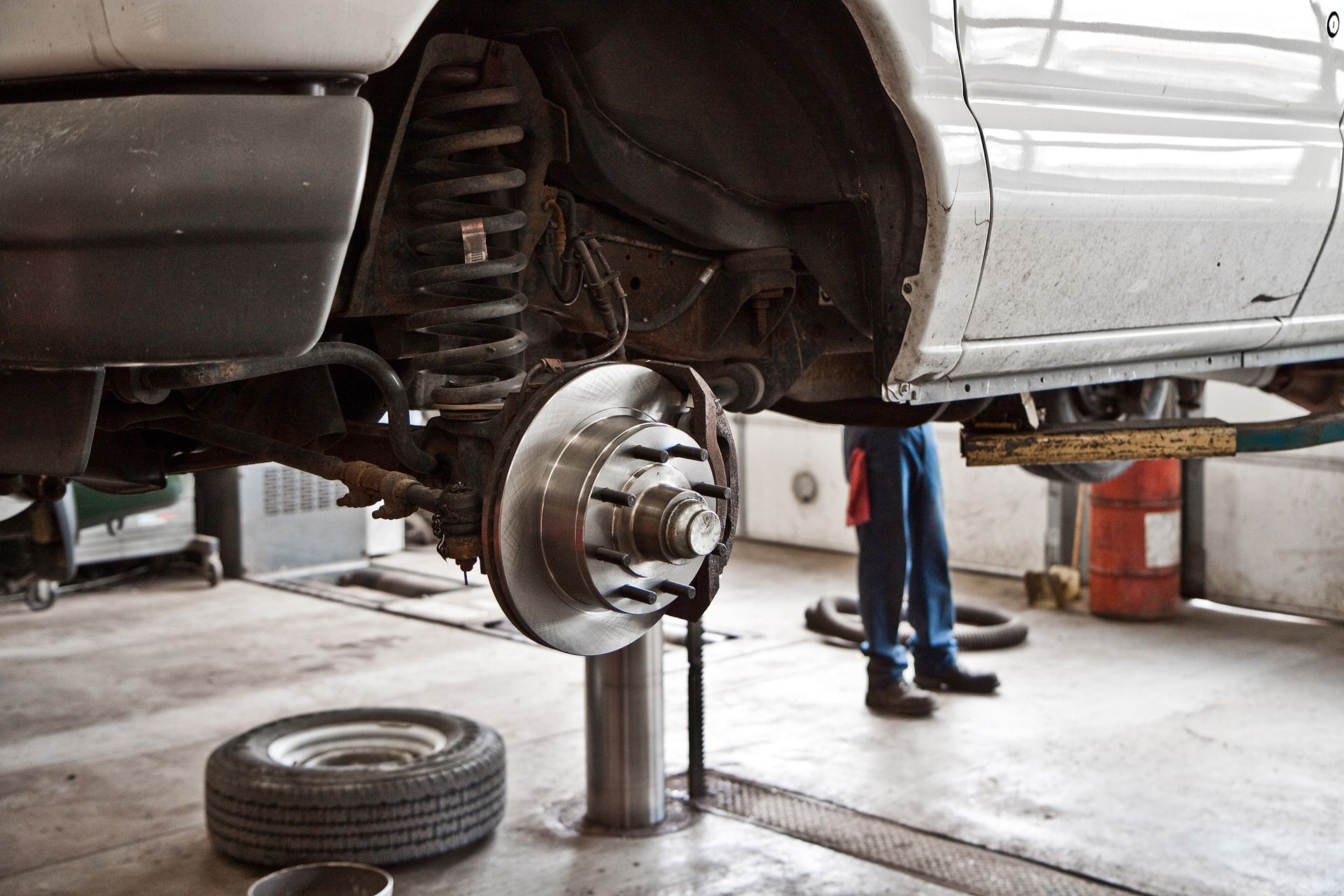
Electric motors deliver immediate rotational force, placing immense strain on driveshafts and constant-velocity joints. When drivers install truck lifts kits, the increased driveline angle can amplify mechanical friction, generating excess heat and premature joint degradation. Verifying that the chosen geometry preserves factory tolerances protects expensive drive units from excessive operational stress over extended mileage.
Additionally, many modern electric platforms utilize active liquid cooling loops routed near suspension pickup points. Modifications must never impede airflow to heat exchangers or interfere with coolant lines running toward the battery tray. Ensuring adequate space around thermal management hardware keeps operating temperatures low during demanding off-road trips or heavy towing sessions.
Excessive driveshaft angles increase vibration through the driveline, which can translate into unwanted cabin noise and accelerated bearing wear within the electric drive units. Because electric motors run quietly compared to internal combustion engines, subtle driveline vibrations become far more noticeable to passengers. Subframe drop brackets and differential spacers help correct severe angles, restoring smooth power delivery and protecting internal motor bearings.
4. Estimating Aerodynamic Drag and Driving Range Impacts
Elevating a vehicle increases front surface area and allows more turbulent air underneath the chassis, which directly reduces overall driving efficiency. Integrating truck lifts kits inherently alters the sleek profiles engineered into modern electric platforms to maximize mileage per charge. Owners should anticipate a noticeable drop in travel distance, especially when cruising at highway speeds where air resistance dominates energy consumption.
According to a report by Market Research Future, the global automotive lift market was valued at $2.1 billion in 2021 and is projected to grow at a compound annual growth rate (CAGR) of 5.4%, reaching $3.1 billion by 2028. This rapid expansion reflects a surging global demand for professional height-modification equipment across both traditional and electric vehicle sectors. Understanding these industry-wide trends highlights the increasing importance of choosing precision-engineered components when altering modern vehicle suspensions.
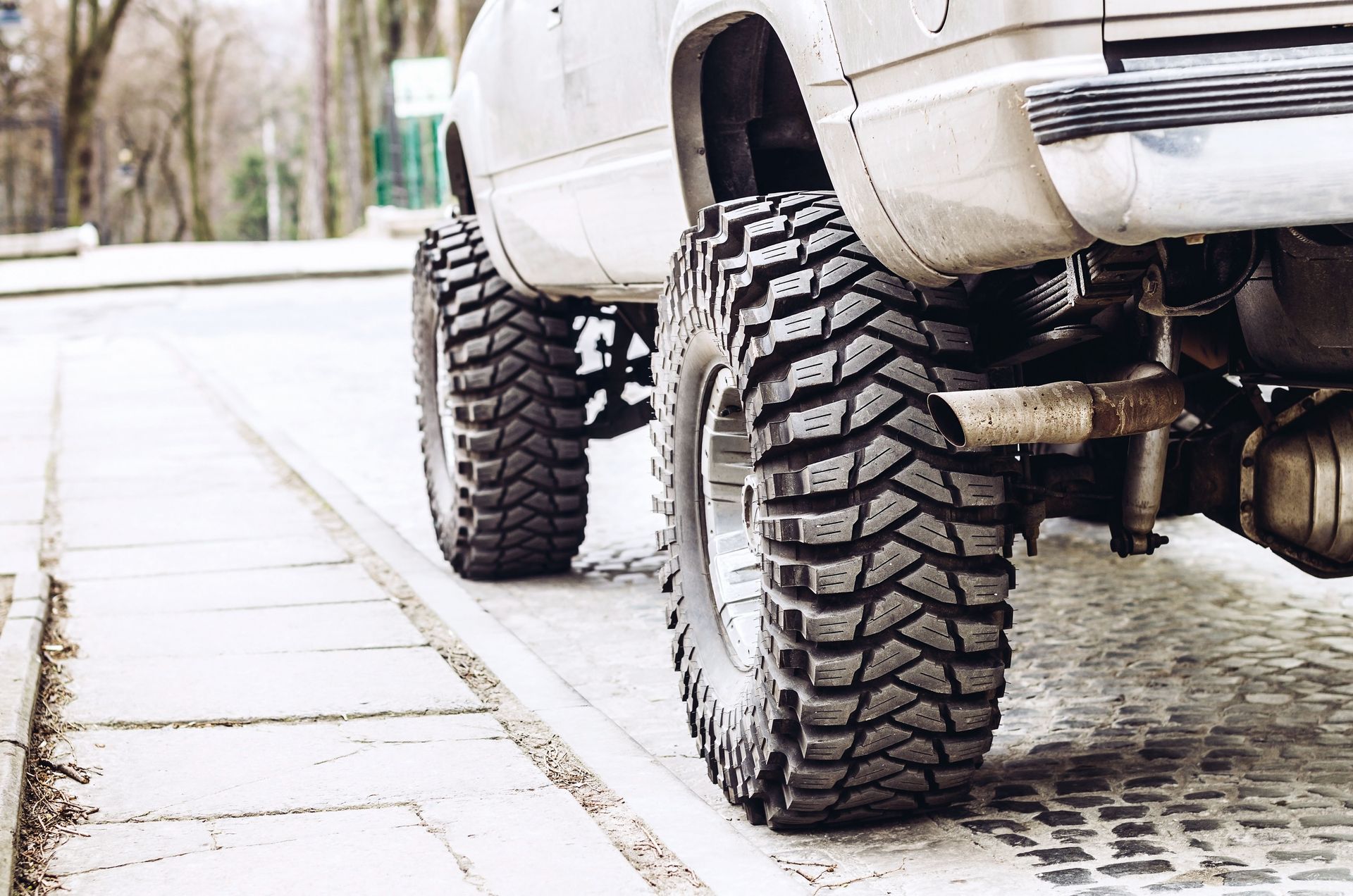
Airflow beneath the vehicle plays a significant role in overall drag coefficients, as exposed suspension components and differential housings disrupt smooth air streams. Adding larger off-road tires further increases rolling resistance and rotational mass, compounding energy consumption during acceleration. Understanding these combined effects helps owners set realistic expectations regarding single-charge driving range and charging stop frequency.
5. Reviewing Manufacturer Warranty and Service Constraints
Altering key chassis components can impact coverage on related suspension parts, steering gear, and driveline assemblies. Before purchasing truck lifts kits, drivers ought to clarify how modifications affect original factory protections and extended service agreements. Understanding these boundaries prevents unexpected repair costs if a related component or connected module requires attention later.
Furthermore, an elevated stance may restrict service accessibility at standard dealerships, as some service bays cannot accommodate taller or wider electric platforms. Choosing reputable hardware installed by qualified specialists ensures proper documentation and high installation standards throughout the modification process. Clarifying warranty terms beforehand grants complete peace of mind while enjoying an upgraded ride tailored to personal style.
Warranty coverage operates on causal links, meaning a manufacturer cannot deny coverage for unrelated electrical or body issues simply due to suspension modifications. However, if an aftermarket part causes accelerated wear or direct failure of an original component, repairs for those affected systems may fall outside warranty protection. Reviewing terms with knowledgeable dealership personnel provides clarity on which systems remain fully covered post-installation.
6. Achieving Elevated Performance Safely
Upgrading an electric pickup requires careful planning, specialized hardware, and a thorough understanding of advanced vehicle systems. By evaluating weight capacity, electrical clearance, driveline angles, aerodynamic efficiency, and warranty terms, owners can confidently transform their vehicles for any journey. Partnering with experienced professionals ensures every modification meets rigorous safety standards while delivering outstanding visual appeal and off-road capability.
Taking a deliberate approach to modification guarantees that your elevated rig performs seamlessly across all operating conditions. Modern electric trucks offer remarkable torque, impressive towing capability, and refined ride quality that deserve high-caliber aftermarket support. Investing in quality components and expert service yields a capable vehicle that turns heads without compromising core functionality.
Ready to transform your electric rig with premium equipment and expert installation? Contact Auto Xtras today to explore high-performance options tailored specifically for your vehicle.
Share On: